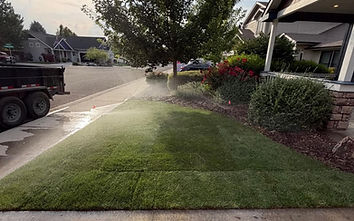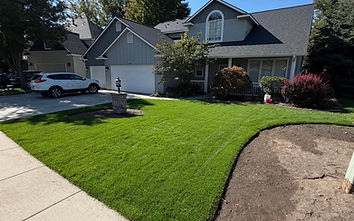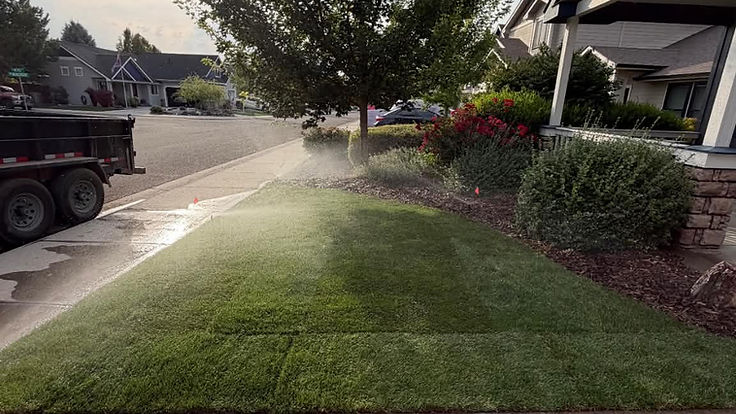
A well-designed irrigation system is essential for maintaining a healthy landscape throughout the hot, dry Idaho summers. By understanding how your system is laid out, you can better manage your water usage and keep your lawn and plants thriving from mid-April through October.
The Anatomy of an Irrigation System
Every irrigation system consists of a network of pipes, valves, and emitters connected to your main water supply. In the Treasure Valley, where heavy clay soils and caliche layers are common, the design must account for slow water absorption rates to prevent pooling and runoff. The process starts at the backflow assembly, which prevents contaminated water from entering the municipal supply, followed by a series of valves that control the flow to specific areas of your yard.
Our irrigation systems page details the specific components used in these layouts. Each section of your yard is divided into zones, which allows the system to deliver the right amount of water based on the specific needs of different plant materials.
Why Zoning is Critical for Success
Zoning is the practice of grouping plants with similar water requirements onto the same irrigation circuit. If you have a lawn, a perennial flower bed, and a vegetable garden, they should never be on the same zone. Lawns typically require more frequent, shallow watering, while trees and shrubs benefit from deeper, less frequent irrigation cycles.
Proper zoning helps you avoid common pitfalls like overwatering native perennials while trying to keep a Kentucky bluegrass lawn green. When you group plants effectively, you save water and ensure each part of the landscape receives exactly what it needs to survive our low-humidity climate. You can view some of our recent work to see how zoning is applied across different types of garden layouts.
Managing Treasure Valley Soil and Climate
Our regional soil challenges mean that water management is as important as the physical layout of the pipes. Because heavy clay and caliche layers inhibit quick drainage, a standard long watering cycle often leads to wasted water. Instead, many modern controllers allow for cycle-and-soak scheduling.
This method involves running a zone for a short time, pausing to allow the water to soak into the tight soil structure, and then running it again. This approach is highly effective in cities like Nampa, Meridian, and Caldwell, where soil density often varies significantly. Proper scheduling also protects your investment during our annual freeze-thaw cycles, provided you winterize the system before the first hard freeze.
Essential Components of Your Controller
The controller acts as the brain of your irrigation system, managing when and how long each zone runs. Modern smart controllers can adjust schedules automatically based on local weather data, which is especially useful given the unpredictable temperature shifts we see in Eagle and Star.
Key features to look for in a controller include:
- Multiple independent programs for different plant types.
- Seasonal adjustment settings to reduce water use during cooler spring and autumn months.
- Rain sensor integration to prevent watering during active storms.
- Non-volatile memory that retains settings during power outages.
Steps to Efficient Irrigation Design
Designing a system requires balancing hydraulic pressure with the specific water needs of your landscape. Whether you are planning a new installation or modifying an existing system, following these steps ensures long-term reliability.
- Conduct a site analysis to map soil types and existing elevation changes.
- Perform a pressure and flow test at the point of connection to determine total capacity.
- Group vegetation into hydrozones based on water requirements.
- Space sprinkler heads to ensure head-to-head coverage for uniform distribution.
- Install high-quality valves and controllers to manage system efficiency.
When to call a professional
While minor adjustments like nozzle cleaning or setting the clock are easy for homeowners, complex system design and deep plumbing work should be left to professionals. Poorly designed systems often result in brown spots, excessive water bills, or structural damage to your pipes during winter freezes. If you are experiencing uneven coverage, chronic leaks, or are planning a major landscaping overhaul, contact us to request a free estimate at /contact.
Need a hand with this?
Send a few photos of what you're looking at and we'll tell you what it takes. Estimates are free and there's nothing to pay until you approve the work.
We reply to estimate requests within 24 hours.